Cupping
A hands-on treatment approach designed to relieve pain, promote relaxation, enhance blood flow, and ease inflammation.
Comprehensive Physical Therapy offers individualized care for patients in Metairie and Mandeville, Louisiana.
What Is Cupping?
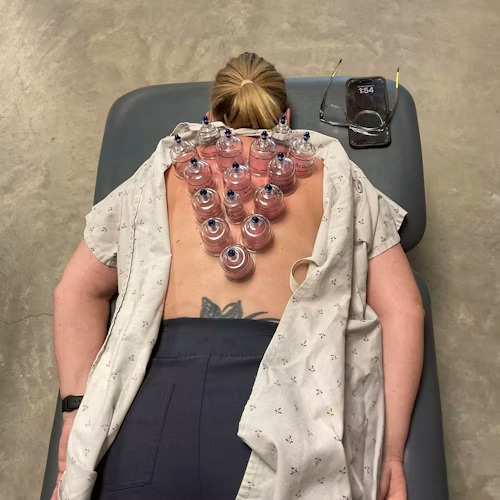
Cupping is an ancient form of alternative medicine originally used by Chinese, Egyptian, and Middle Eastern cultures. During treatment, cups are placed on the skin to create suction.
Although cupping has become especially visible in recent years, it is just one of several treatment options available at Comprehensive Physical Therapy. Your physical therapist considers your symptoms, medical history, health constraints, and recovery goals when determining whether it may be an appropriate addition to your plan of care.
The suction created by the cups produces negative pressure that can increase hydration and blood flow to body tissues, help ease adhesions, and assist with eliminating excess fluids. Treatment can be modified to suit your condition, whether the goal is deep-tissue work or lymphatic drainage.
Why Choose Cupping?
Cupping is sometimes described as a “tissue distraction release” technique. As cups glide across the body, they lift and separate tissue to support movement and soft-tissue mobility.
Release & Mobility
Cupping may enhance release at the interfaces between neural tissues, fascia, skin, ligaments, muscles, and tendons. It can help relax muscles, release trigger points, and address scar-tissue adhesion.
Circulation & Flow
The negative pressure from the cups can increase local circulation and support lymphatic flow. This versatile approach may be adapted for deeper tissue work or lymphatic drainage needs.
Pain Relief Support
Evidence supports cupping as an effective treatment method for conditions including chronic neck pain, low back pain, and fibromyalgia. It may also support recovery from injuries and reduce symptoms.
A Technique Tailored to Your Needs
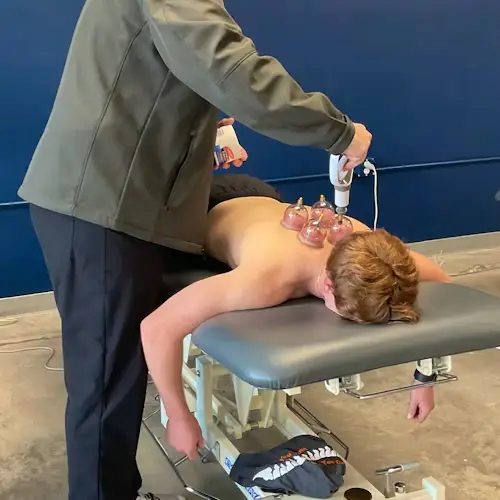
There are three forms of cupping techniques: longitudinal, cross-fiber, and circular. Longitudinal cupping, the most common approach, glides the cup along muscle fibers. Cross-fiber cupping may be used when tissue is believed to be scarred. Circular cupping is typically used near the end of a session to help ensure all areas have been covered.
Cupping is a popular practice among athletes, and it can be incorporated into a broader physical therapy plan when appropriate. Our clinicians combine evidence-based treatment approaches with one-on-one guidance to help improve mobility, strength, and independence.
Other treatment options may include manual therapy, therapeutic exercise, and dry needling.
What Can I Expect From a Cupping Session?
Cupping is a detailed process, and your therapist will select the method that best fits your care.
1
Evaluate
Your physical therapist considers your condition and selects an approach designed to support your treatment goals.
2
Create Suction
Traditional cupping may use heat to create a vacuum as air cools inside the cup. Modern practice may use rubber pumps, while silicone cups can create a massage effect.
3
Continue Your Plan
Cupping may be used alongside your individualized physical therapy program to help you progress toward less pain and fewer restrictions.
Important Safety Considerations
Cupping is not performed on skin with wounds, infections, burns, or active inflammation. It can sometimes create bruises that may last up to two weeks. These bruises typically resolve with time and should not be a concern.
If pain, an injury, or a health condition is limiting the way you want to live, contact Comprehensive Physical Therapy. Our skilled team can evaluate your needs and develop a custom treatment plan for recovery.
Your Next Steps
- Request an appointment.
- Receive a custom treatment plan.
- Work hard and progress in your recovery.
- Recover and enjoy life with less pain.